APS time-of-use rates explained: peak hours, off-peak windows, and what shifting load is worth
APS on-peak is 4pm to 7pm weekdays, year round. Here are the published per-kWh prices for every time period, the twelve off-peak holidays, and the arithmetic on what moving a load is actually worth.
In this article
- What are the APS peak hours in Arizona?
- The three price periods, priced
- A summer weekday, hour by hour
- Which APS holidays are billed at off-peak rates?
- Which APS plans use time-of-use pricing
- What shifting a load is actually worth
- Does time-of-use beat the flat plan without changing anything?
- Where time-of-use pricing goes wrong
- What the 2026 rate case could change
- How to check your own numbers
- Related reading
What are the APS peak hours in Arizona?
On-peak is 4 p.m. to 7 p.m., Monday through Friday, all twelve months of the year. Everything else is off-peak. From November through April there is a third, much cheaper window: super off-peak, 10 a.m. to 3 p.m. on weekdays.
That is the whole schedule. Three hours a day, five days a week, which is 15 hours out of 168, or under 9 percent of the clock. Every APS residential time-of-use plan uses the same window.
The prices attached to those hours are not remotely proportional to the hours themselves, which is the entire point of the plan.
The three price periods, priced
These are the published energy charges on TOU-E, the Time-of-Use 4pm-7pm Weekdays plan. Every figure comes from the tariff sheet on the March 8, 2024 revision, issued under Commission Decision No. 79293, read on August 9, 2026.
APS TOU-E energy price by time period
Published per-kWh energy charges on the APS Time-of-Use 4pm-7pm Weekdays plan. Summer is the May through October billing cycles; winter is November through April. Adjustors are excluded.
View the numbers as a table
| Time period | Value (¢/kWh) |
|---|---|
| Summer on-peak | 34.396¢/kWh |
| Winter on-peak | 32.543¢/kWh |
| Summer off-peak | 12.345¢/kWh |
| Winter off-peak | 12.351¢/kWh |
| Winter super off-peak | 3.495¢/kWh |
Source: APS tariff sheet, Time-of-Use 4pm-7pm Weekdays (TOU-E), A.C.C. No. 6154, revision effective March 8, 2024.
9.8x
Summer on-peak price divided by winter super off-peak price
34.396¢/kWh against 3.495¢/kWh, same plan, same meter
The same kilowatt-hour, on the same plan, costs nearly ten times more at 5 p.m. in July than at noon in January. Within a single summer day the ratio is 2.8 to 1.
Seasons are defined in the tariff, not by the weather. Summer is the May through October billing cycles. Winter is November through April.
A summer weekday, hour by hour
| Hours | Period | Price |
|---|---|---|
| 12 a.m. to 4 p.m. | Off-peak | 12.345¢/kWh |
| 4 p.m. to 7 p.m. | On-peak | 34.396¢/kWh |
| 7 p.m. to 12 a.m. | Off-peak | 12.345¢/kWh |
Are weekends on-peak with APS?
No. Weekends are off-peak for all 48 hours, in every season, on every APS time-of-use plan. There is no on-peak period on a Saturday or a Sunday. The winter super off-peak window is also weekdays only, so a weekend hour bills at the ordinary off-peak price rather than at 3.495 cents.
A winter weekday adds the cheap middle
| Hours | Period | Price |
|---|---|---|
| 12 a.m. to 10 a.m. | Off-peak | 12.351¢/kWh |
| 10 a.m. to 3 p.m. | Super off-peak | 3.495¢/kWh |
| 3 p.m. to 4 p.m. | Off-peak | 12.351¢/kWh |
| 4 p.m. to 7 p.m. | On-peak | 32.543¢/kWh |
| 7 p.m. to 12 a.m. | Off-peak | 12.351¢/kWh |
Note the one-hour off-peak gap between 3 and 4 p.m. Super off-peak does not run straight into on-peak.
Which APS holidays are billed at off-peak rates?
Twelve, plus Christmas Eve and New Year’s Eve when they fall on a weekday. On those days the 4 p.m. to 7 p.m. window bills at the ordinary off-peak price instead of on-peak. The winter super off-peak window does not apply on a holiday, so midday bills at off-peak rather than at 3.495 cents.
Per APS (opens in a new tab), they are: New Year’s Day, Martin Luther King Jr. Day, Presidents Day, Cesar Chavez Day, Memorial Day, Juneteenth, Independence Day, Labor Day, Indigenous Peoples’ Day / Columbus Day, Veterans Day, Thanksgiving Day and Christmas Day.
Three rules attach to that list:
- Christmas Eve and New Year’s Eve are also off-peak when they fall on a weekday.
- A holiday falling on a Saturday moves the off-peak treatment to the preceding Friday.
- A holiday falling on a Sunday moves it to the following Monday.
Off-peak holidays are excluded from the winter super off-peak window. On a holiday, 10 a.m. to 3 p.m. bills at the ordinary off-peak price, not at 3.495 cents.
Which APS plans use time-of-use pricing
Three of the four residential plans open to new customers are time-of-use. All three share the 4 p.m. to 7 p.m. window.
| Plan | Tariff | On-peak | Extra window | Demand charge |
|---|---|---|---|---|
| Time-of-Use 4pm-7pm Weekdays | TOU-E | 4-7 p.m. weekdays | Winter super off-peak 10 a.m.-3 p.m. | No |
| Time-of-Use 4pm-7pm with Demand Charge | R-3 | 4-7 p.m. weekdays | Winter super off-peak 10 a.m.-3 p.m. | Yes |
| EV Overnight Charging | R-EV | 4-7 p.m. weekdays | Overnight 11 p.m.-5 a.m. weekdays, plus winter super off-peak | No |
The fourth open plan, R-1, is flat: one price all day, no time periods at all. It is also closed to customers with on-site generation.
The legacy R-2 exception
One legacy plan is worth flagging because a large number of households are still on it. R-2, frozen to new enrollment as of December 1, 2021, runs on-peak from 3 p.m. to 8 p.m., a five-hour window rather than three. If your plan is R-2, the schedule above does not describe your bill.
For the full comparison of all four open plans and the demand-charge arithmetic on R-3, see APS rate plans explained.
What shifting a load is actually worth
The useful question is not “how much cheaper is off-peak,” it is “how many dollars does one behavior change return.”
Moving 100 kWh a month out of the summer on-peak window
100 kWh x ($0.34396 - $0.12345) = $22.05 per month100 kWh in three hours a day across 21 weekdays is roughly 1.6 kW of continuous load during the window. That is approximately one central air conditioner cycling, or an EV charging.
Moving 100 kWh a month from winter on-peak into super off-peak
100 kWh x ($0.32543 - $0.03495) = $29.05 per monthMoving 100 kWh from ordinary winter off-peak into super off-peak
100 kWh x ($0.12351 - $0.03495) = $8.86 per monthThat last one is the underrated case. It requires no sacrifice at all, only a timer. A pool pump running six hours a day at 1.5 kW uses about 270 kWh a month. Running it from 10 a.m. to 3 p.m. instead of overnight, November through April, returns roughly $24 a month for the cost of resetting a schedule twice a year.
Does time-of-use beat the flat plan without changing anything?
Often, yes, and this surprises people.
Take a household averaging 1,100 kWh a month with usage spread evenly across the clock, so 8.9 percent of consumption falls in the on-peak window. That is about 98 kWh on-peak and 1,002 kWh off-peak in a 31-day summer cycle.
The same household on TOU-E
On-peak      98 kWh x $0.34396 =  $33.71
Off-peak  1,002 kWh x $0.12345 = $123.70
Service        31 days x $0.458 =  $14.20
                          Total = $171.61
The same household on R-1, where 1,100 kWh puts it in Tier 3
Energy   1,100 kWh x $0.15418 = $169.60
Service      31 days x $0.458 =  $14.20
                        Total = $183.80
TOU-E comes out about $12 a month cheaper with no behavior change at all, because R-1’s tier structure penalizes heavy users on every kilowatt-hour once average consumption crosses 1,000.
The break-even is the share of consumption falling in the window. For this household, TOU-E stops winning at roughly 14 percent of monthly kWh landing between 4 and 7 p.m. on weekdays, which is about 1.6 times the share a perfectly flat usage pattern would produce. Most households in July are above flat, because 4 to 7 p.m. is when the house is hottest and people come home. Whether they are above 1.6 times flat is an empirical question about their own data.
Where time-of-use pricing goes wrong
Three failure modes account for most of the complaints.
The 4 to 7 window is exactly when people get home
Pre-cooling helps: dropping the thermostat two degrees at 2 p.m. and letting it drift up during the window shifts the same cooling energy into cheaper hours. Doing nothing does not help.
Weekend charging does not count as overnight
On the R-EV plan, the 11 p.m. to 5 a.m. overnight window is weekdays only. Saturday and Sunday charging bills at the ordinary off-peak rate.
Adjustors are not in any of these numbers
Every APS tariff states that adjustment clauses, including the Power Supply Adjustor and the Tax Expense Adjustor, apply on top of the base rates. Real bills run higher than the arithmetic here. The differences between periods, which is what all of the above turns on, are unaffected.
What the 2026 rate case could change
APS has an open general rate case at the Arizona Corporation Commission, Docket No. E-01345A-25-0105, requesting a base-rate revenue increase of $662.44 million, or 15.99 percent, with a residential class figure of 16.44 percent. The evidentiary hearing ran from May 18 to July 7, 2026. No decision has been issued as of August 9, 2026.
One proposal in that filing bears directly on this page: elimination of the Critical Peak Pricing riders for residential and general service. Rate design, including the peak window itself, is inside the scope of a general rate case. Time-of-use schedules have moved before. The current 4 p.m. to 7 p.m. window replaced a 3 p.m. to 8 p.m. window in the previous case.
Track the case on the APS rate increase page.
How to check your own numbers
- Download twelve months of hourly usage from your APS online account. Not monthly totals. Hourly.
- Sum the kilowatt-hours falling between 4 and 7 p.m. on weekdays, then divide by total consumption. That single percentage decides whether time-of-use pricing helps you.
- Do it separately for a July cycle and a January cycle. The seasonal answer is often different from the annual one.
- Then look at the winter middle of the day. Super off-peak at 3.495 cents is the cheapest power APS sells to residential customers, and almost nobody deliberately uses it.
Rates in this article were verified against published APS tariff sheets on August 9, 2026, all on the March 8, 2024 revision. Adjustors are excluded from every calculation. Confirm current figures against the APS rates and schedules page (opens in a new tab) before changing plans.
Related reading
- APS rate plans explained compares all four open residential plans, including the R-3 demand-charge crossover.
- Arizona electric rates compared: APS vs SRP shows how far apart the two utilities’ peak windows are.
- APS solar buyback rates explained covers export compensation, which interacts directly with time-of-use pricing.
- The APS rate increase tracks the live rate case that could change this rate design.
- APS
- Rate Cases
- Arizona
More on APS
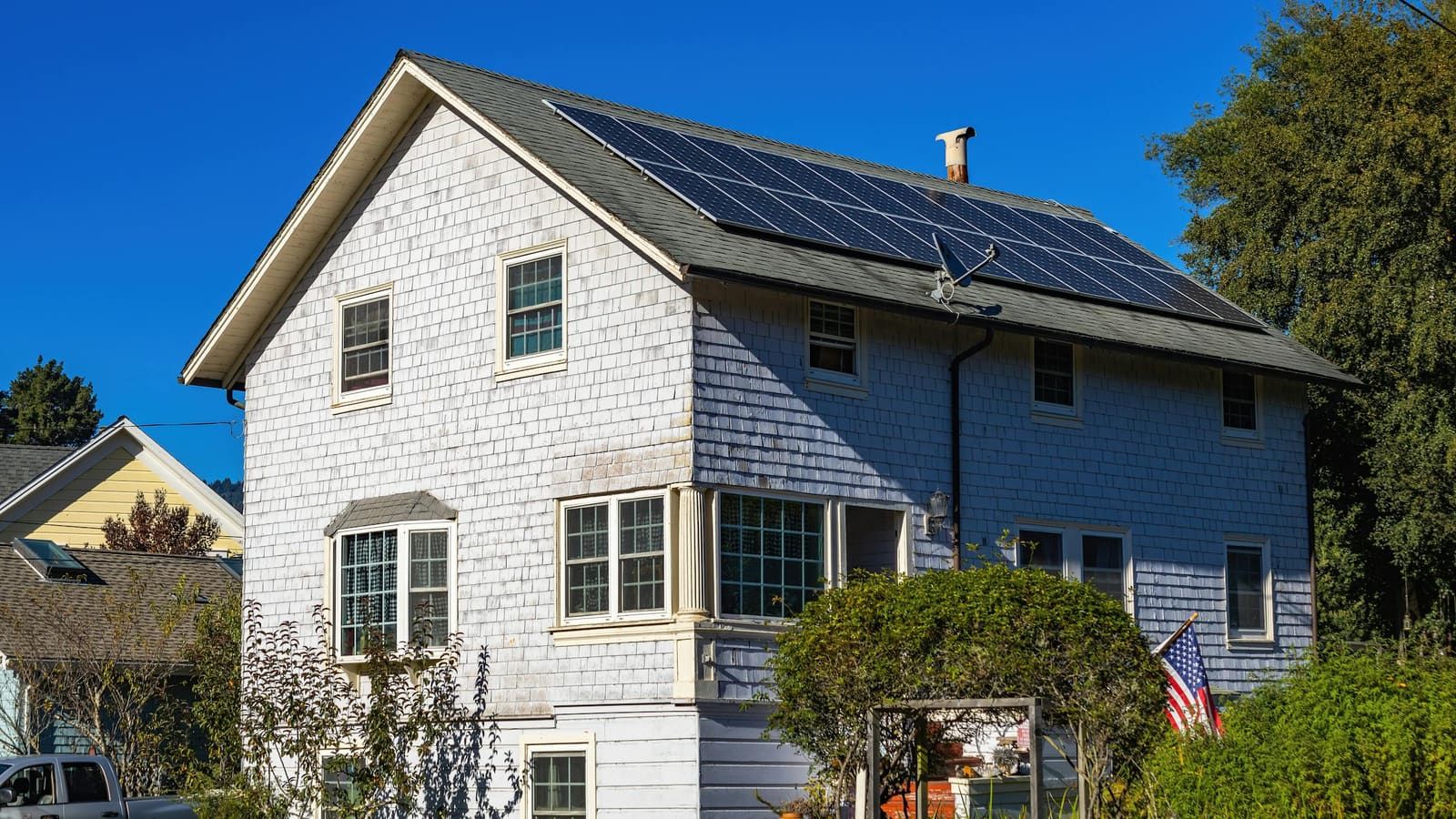
APS solar buyback rates explained: what they actually pay for your extra power
APS pays 6.171 cents per kWh for exported solar as of September 2025, down from 12.9 cents in 2017. Here is the full rate history, how the credit is calculated, and what the 10-year lock actually covers.
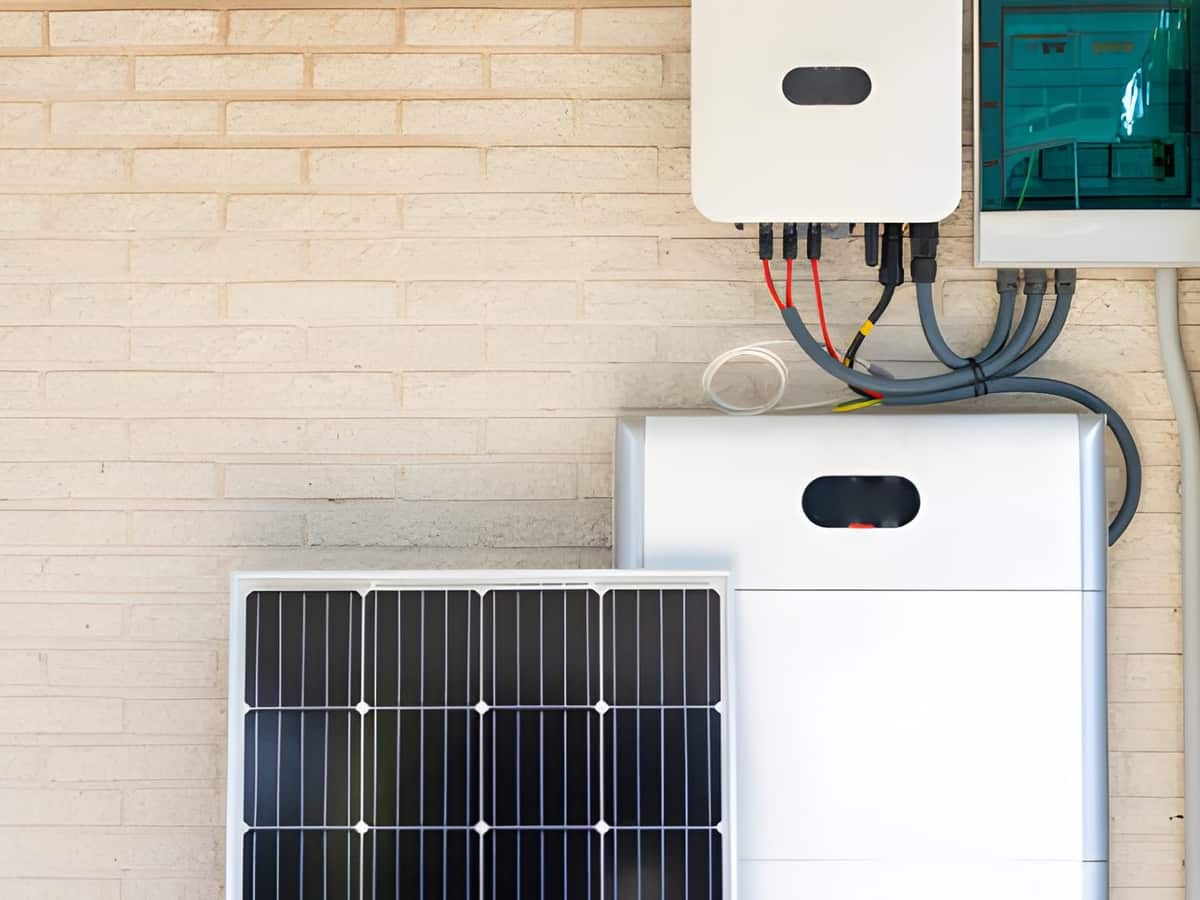
EV charging rate plans in Arizona: APS vs SRP compared
APS still sells a dedicated EV plan with 8.468 cent overnight power. SRP closed its EV plan to new customers with the November 2025 billing cycle and moved its cheapest window to the middle of the day. Here is what that costs.
APS rate plans explained: which one actually fits your home
APS has four residential plans open to new customers as of August 2026. Here are the real rates, the 4pm-7pm peak window, the demand charge math, and the usage profile where each plan wins.