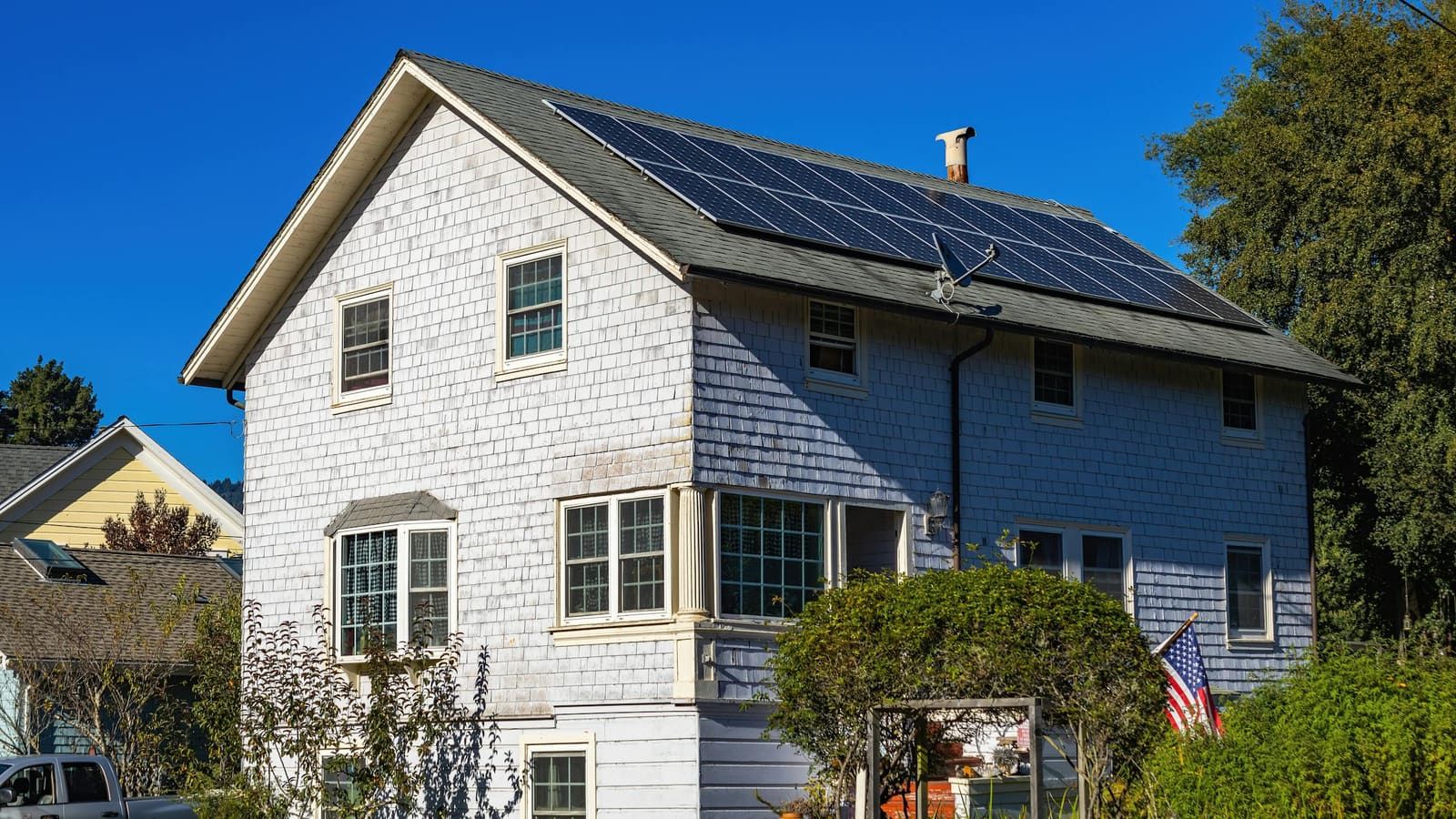
Short answer: Your utility shapes your solar more than your panels do. APS is investor-owned and rate-regulated by the Arizona Corporation Commission; SRP is public power run by an elected board and often puts solar homes on a demand-based plan. Both now credit exported power below retail, so the smart design leans on using your own solar, often with a battery.
They are two different kinds of utility
APS, Arizona Public Service, is an investor-owned utility, and its rates are set by the Arizona Corporation Commission through formal rate cases. SRP, Salt River Project, is a public power utility governed by an elected board, so it sets pricing through its own process rather than the same commission. That governance difference is why the two end up with different rate plans and different rules for solar, even for homes a few miles apart.
How they credit the power you export
Years ago, both utilities effectively credited exported solar at the full retail rate, which made selling power back very valuable. Both have since moved to lower export or buyback credits, and those credit rates have generally been shrinking over time. The exact treatment depends on your plan and when you connect. The takeaway is the same for both: because exported power is worth less than it used to be, the smart design leans on using your own solar directly, and often a battery, rather than counting on selling a lot back.
The SRP demand-rate wrinkle
SRP solar customers commonly land on a plan with a demand charge, where part of the bill is driven by your single highest spike of usage during the month, not just your total energy. That rewards smoothing out your peaks, which is exactly what a well-sized system plus a battery can do. APS plans are structured differently. Neither is automatically better; they just call for different designs.
What it means for your system
- On SRP, expect to weigh a battery more seriously for peak-shaving, and to size around the demand component, not just total kilowatt-hours.
- On APS, the design centers on covering your usage and accounting for the declining export credit.
- For both, the shrinking buyback rate pushes toward owning more of your own load rather than relying on selling power back to the grid.
Find your utility, then your number
Check the top of your bill to see whether you are on APS or SRP. Then dig into the specifics: the APS rate increase, the SRP rate increase, or how SRP solar plans and APS net metering actually work. When you are ready for a real number, run the savings calculator.
Utility rules and rate plans change. This explains the structural differences; we confirm your current plan and its specifics during the free review.
SRP vs APS solar: common questions
What is the main difference between APS and SRP for solar?
They are different kinds of utility. APS is an investor-owned utility whose rates are set by the Arizona Corporation Commission. SRP is a public power utility governed by an elected board, so its pricing is set through a different process. The practical upshot for solar is that they use different rate plans and different ways of crediting the power your panels export, which changes how a system should be sized for each.
Does SRP or APS pay more for the solar I send back?
Both have moved away from one-for-one retail net metering toward lower export or buyback credits, and those credit rates have been shrinking over time for both utilities. The exact treatment depends on your specific plan and when you interconnect. Because export credit is worth less than it once was, owning more of your own usage, and often adding a battery, matters more than relying on selling power back.
Does SRP charge a demand rate for solar homes?
SRP solar plans commonly include a demand component, where part of your bill is based on your highest spike of usage in a billing period, not just total energy. That changes how you size and operate a system and can make a battery more valuable for shaving peaks. We design around your specific plan rather than a generic one.
How do I know which utility I am on?
Check the top of your electric bill; it will say APS, SRP, TEP, or UNS. Your city is a rough guide too: much of Phoenix proper and the West Valley is APS, while a lot of the East Valley (Mesa, Tempe, Chandler, Gilbert) is SRP. We confirm your utility and plan as the first step of the free review.